


Albert Einstein and KYC

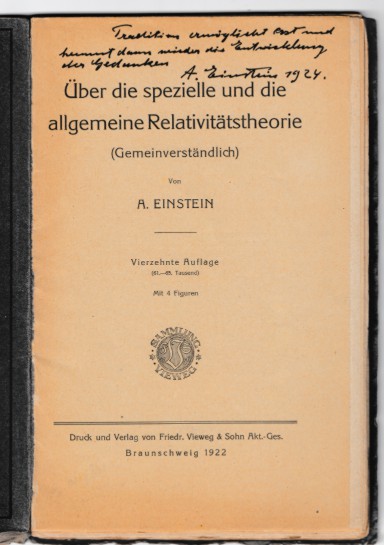
In 1924, Albert Einstein wrote: “Tradition first makes the development of ideas possible, but later hinders it.” What held true for the new physics of his time holds true for the compliance processes of today. The first compliance processes were put into place in 1977 as part of the due diligence agreement between Swiss banks regarding acceptance of funds. Compliance is becoming increasingly data-centric and less focused on physical objects (cash, bearer shares, etc.). Nowadays, it’s all about “know your customer,” or KYC. KYC data is predominantly displayed in forms. These KYC forms contain various information, for example about the economic beneficiaries or the identification of the contractual partner. This is the traditional format for KYC data, and is ideal for manually reviewing the data. However, this traditional approach hinders digital management, reflecting Einstein’s observations in 1924.
Contradictory information
Compliance forms contain a lot of overlapping information. In their lectures on databases, computer science students are taught that redundancy poisons consistency and leads to contradictions. Trainee compliance specialists become well acquainted with the severability clause during their law studies. This traditional approach to handling contradictions may be convenient, but it hinders the digitalization of compliance processes. Contradictory information poisons compliance. KYC Spider (www.kyc.ch) stems from a law firm (MME) and the ETH spin-off, Eurospider. It’s part of this joint venture’s tradition to overcome the barriers of digitalization, for example by using the KYC Toolbox – a source of innovative compliance tools.
Original quote
This article with a personal quote from Einstein was provided by a former customer, who is now retired and a good friend. Thank you.